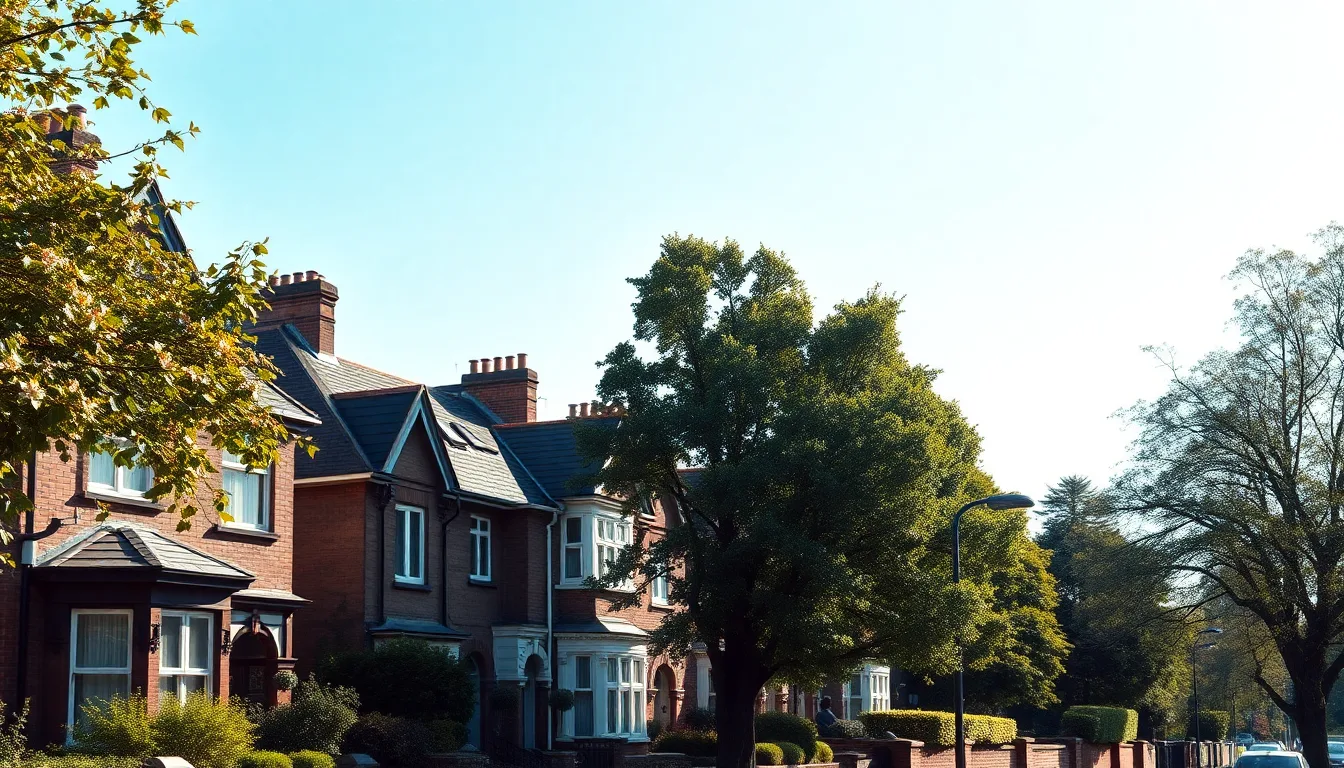
A lot of Chislehurst sits inside a conservation area. That changes how you’re allowed to fix or replace a roof. It doesn’t mean you can’t touch it. Still, the wrong repair can land you in a dispute with the council long after the scaffolding’s come down. Here’s what actually applies, and where the real limits sit.
What a Conservation Area Actually Restricts
Conservation area status protects the character of a street, not every individual brick and tile. In particular, the council cares about how a roof looks from the road and from neighbouring properties. It generally doesn’t care what’s underneath the tiles, as long as the visible finish matches what was there before.
That distinction matters because it’s where most confusion starts. Re-felting under existing slates is rarely an issue. Swapping natural slate for a concrete tile that looks different from the pavement usually is.
Permitted Development vs Full Planning Permission
Most like-for-like repairs on a conservation area property fall under permitted development. Replacing broken slates with matching slates, repairing a section of ridge, or fixing a valley doesn’t normally need an application. The council still expects the replacement material to match the original in type, size and colour.
Full planning permission tends to come into play with bigger changes. Altering the roof’s pitch, adding dormer windows, or changing the covering material (tile to slate, or the reverse) usually needs sign-off first. If your property is also listed, not just in a conservation area, the threshold drops further — even minor changes can need listed building consent.
Chislehurst has streets with both statuses side by side, and it’s easy to assume a neighbour’s approach applies to your own property. However, it often doesn’t. Checking with Bromley Council’s planning portal before work starts is worth the ten minutes it takes.
Materials That Meet Conservation Requirements
Natural slate is the material most conservation officers want to see retained where it already exists. It’s also the one homeowners most often try to substitute, usually on cost grounds. A reclaimed or matched natural slate is nearly always the safer route for approval.
Clay plain tiles cover a lot of the area’s Victorian and Edwardian stock, and matching profile and colour matters more than matching brand. Where the roof genuinely needs full replacement rather than repair, Slate & Tile Roofing done to match the surrounding streetscape is what you need. That’s what keeps an application straightforward rather than contested.
Concrete interlocking tiles are sometimes accepted as a like-for-like swap on properties that were never natural slate to begin with. They’re rarely accepted as a substitute for slate itself, whatever the cost saving looks like on paper.
Chimneys, Flashing and Other Protected Details
Chimneys draw more attention from conservation officers than almost anything else on a roof. Rebuilding a stack, changing its height, or removing it altogether typically needs consent, even when the roof covering itself doesn’t. Repointing and repair usually don’t, provided the profile and brick colour stay consistent.
Lead flashing around chimneys and valleys is another detail worth getting right the first time. Cheaper alternatives can look fine up close but read wrong from the street, which is exactly what triggers a complaint. Our Chimney Repointing & Repair: Costs, Signs and Process guide covers what a proper stack repair actually involves.
Insulation and Building Regs in a Protected Property
Conservation status doesn’t exempt a roof from Building Regs. Part L insulation standards still apply when you’re doing significant re-roofing work, not just cosmetic repairs. The trick is meeting those U-values without altering the roof’s external appearance.
That usually means insulating between and under the rafters rather than adding external depth that changes the roofline. It’s a more involved job than a straightforward insulation upgrade, and it typically costs more as a result. Budgeting an extra 15-25% over a non-conservation re-roof for material matching and this kind of detailing isn’t unusual.
Working With the Right Roofer
Not every roofer has dealt with a conservation officer before, and it shows. The right contractor knows what a council will wave through and what it’ll query, which saves you a resubmission and weeks of delay. FMB membership is a reasonable minimum check, since it means some vetting has already happened.
Ask to see photos of previous work on listed or conservation-area properties specifically. A roofer who’s done plenty of standard re-roofs but never one under these constraints will learn on your job, at your expense.
Getting It Right First Time
If you’re planning roof work on a conservation area property in Chislehurst, Bickley or Petts Wood, get the planning position confirmed before anything is stripped off. It’s far cheaper to ask first than to redo work the council rejects. Yet that’s the honest answer, even when it feels like an extra step you didn’t need.
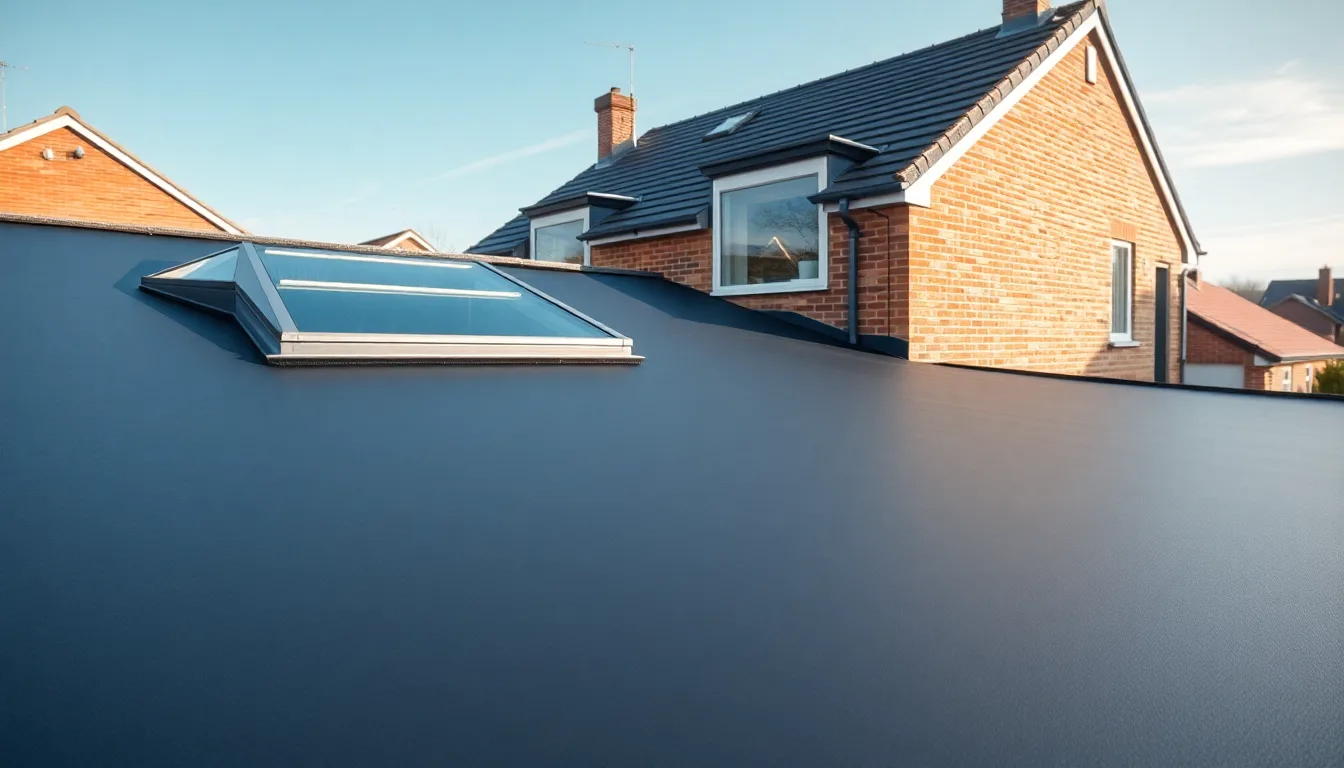
We survey the roof, tell you plainly whether your plans need an application, and quote for materials that’ll actually get approved. If the property also has a flat-roofed rear extension or garden room, our Flat Roof Insulation and Building Regs U-Values Explained guide is worth a look too. It covers the separate rules that apply there. A free survey gets you a clear answer on both the main roof and any flat sections in one visit.
Related Guides
- Single-Ply Membrane Roofing for Commercial & Industrial Buildings
- Flat Roof Insulation and Building Regs U-Values Explained
- Cladding Options and Costs for Homes and Commercial Buildings