A roof survey sounds like a simple thing until you’re the one paying for it and wondering what you actually got. Some are little more than a glance from the ground. Others are a genuinely thorough assessment with photos, measurements and a written report you can act on. Still, knowing the difference matters, especially before you commit to repairs, a sale or an insurance claim.
Why Have a Survey Done at All
Most people call a roofer when something has already gone wrong. A survey works differently, since it’s about finding problems before they become emergencies. That’s a lot cheaper than dealing with a ceiling collapse after months of a hidden leak.
A survey also gives you something a quick chat on the doorstep never does: evidence. Photos, specific locations, and a clear description of what’s wrong. That’s useful whether you’re planning maintenance, selling a property or arguing a case with an insurer.
What a Surveyor Actually Checks
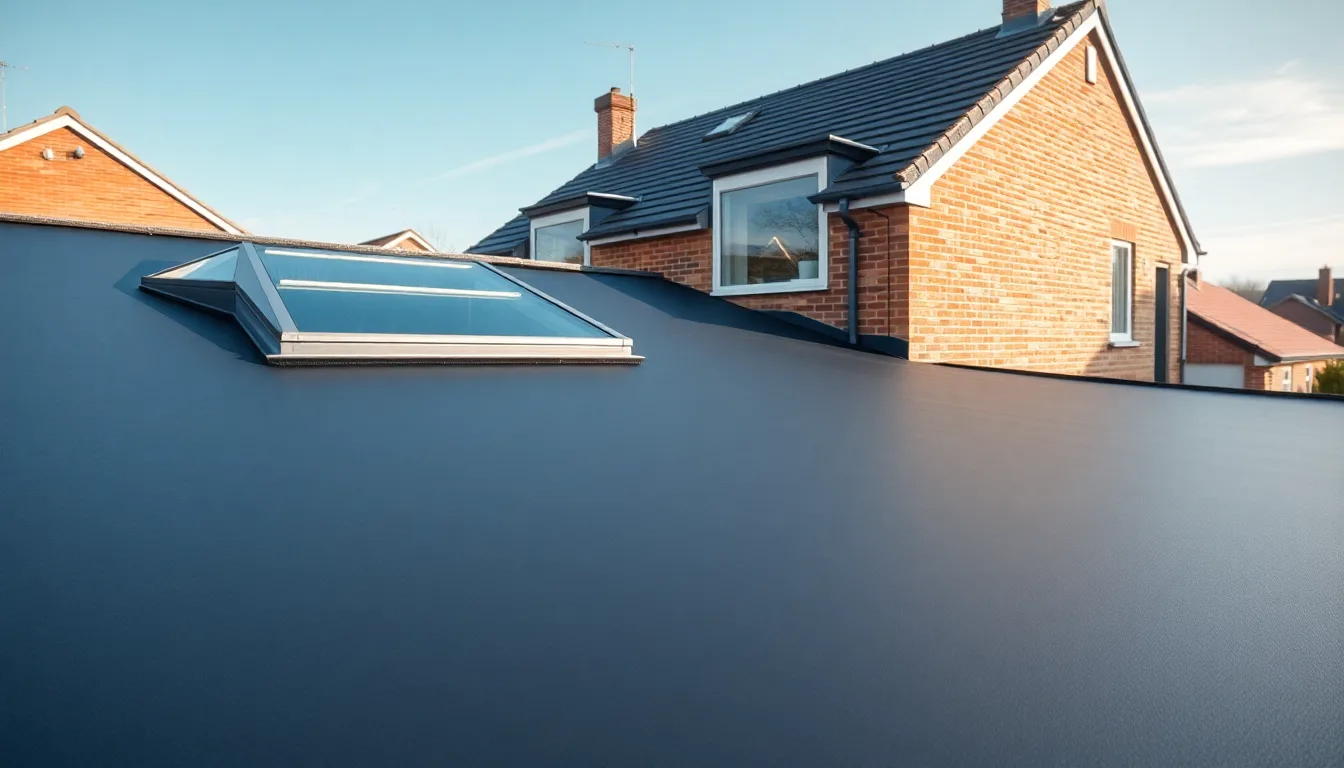
A proper survey starts with the roof covering itself — tiles, slates or a flat roof membrane — looking for cracks, slipped units and general wear. The surveyor checks ridge and hip tiles for loose mortar, since that’s a common source of slow leaks. Valleys get particular attention, as they carry more water than any other part of the roof.
Flashing is next on the list. In particular, lead around chimneys, dormers and abutments fails in predictable ways, and a surveyor knows what to look for. Fascias, soffits and guttering get checked too, along with any signs of water tracking down internal walls.
Loft access, where it’s available, tells its own story. A surveyor will look at the underside of the roof timbers, check insulation levels and look for daylight coming through anywhere it shouldn’t. Still, damp staining on timbers is often the first real clue that something’s amiss above.
Inside the Written Report
The report is where a proper survey earns its fee. It should include photographs of every defect found, not just a vague list of issues. Each item needs a location, so you know whether it’s the north slope, the valley over the kitchen, or the chimney flashing.
A good report also grades problems by urgency. Something that needs attention this month looks different from something worth monitoring over the next year or two. Costs should be realistic ranges rather than guesses — a minor repair might run a few hundred pounds, while more involved flashing or covering work can run into several thousand depending on scope.
Yet the best reports also say what’s fine. It isn’t just a list of bad news. Knowing which parts of the roof have plenty of life left is just as useful as knowing which don’t, and it stops you spending money where it isn’t needed.
Surveys for Buying, Selling or Insurance
Buying a property? A roof survey before you exchange can save you from inheriting someone else’s neglected maintenance. It’s a small outlay against a roof covering that might need replacing within a year or two of moving in.
Selling one? A survey lets you fix small issues before they show up on a buyer’s own inspection and become a negotiating point. It also gives you paperwork to hand over, which buyers and their solicitors generally appreciate.
Insurance claims lean heavily on this kind of documentation too. For example, photos taken before storm damage, or a clear “before” report, make a claim far easier to support. Insurers respond better to evidence than to a homeowner’s description of what the roof “used to look like.”
When the Answer Is Repair, Not Replace
Not every defect found on a survey means a new roof. Most of the time it means targeted work — a section of flashing, a run of slipped tiles, a repointed ridge. The report should say which category you’re in, and why.
Our Repair or Replace Your Roof? A Homeowner’s Decision Guide guide goes into this in more depth if the survey has left you weighing up both options. A decent surveyor will give you a straight answer rather than pushing the more expensive route by default.
Where a survey does form part of a wider job, it usually folds straight into our Roof Repairs service, so the assessment and the fix come from the same visit rather than two separate call-outs.
Choosing the Right Person to Carry One Out
Not every “free survey” offer is worth the same. Some are a genuine assessment; others are a five-minute sales pitch dressed up as one. The difference usually shows in how much detail ends up in the report afterwards.
Ask what the report will actually contain before you book. A trader who can’t answer that clearly probably doesn’t produce one worth having. Our How to Choose a Roofer & Avoid Rogue Traders: An FMB Checklist guide covers the vetting questions worth asking, FMB membership included.
Insurance and liability matter here too. A surveyor working at height without proper cover isn’t someone you want on your roof, however cheap the quote.
Getting a Survey Booked
If your roof hasn’t been looked at in a few years, or you’re weighing up a sale, purchase or insurance claim, a proper survey is the sensible first step. It costs far less than guessing, and it gives you something concrete to act on either way.
We carry these out for homeowners across Sidcup, Chislehurst and Petts Wood, among other areas nearby. If flashing turns up as an issue on your report, our Lead Flashing: Why It Matters and When It Needs Replacing guide explains why it fails and what replacing it properly involves. Flat sections sometimes bring insulation into the conversation too, and our Flat Roof Insulation and Building Regs U-Values Explained guide covers what Building Regs Part L actually expects. And once you’re choosing who does the follow-up work, our Roofing Guarantees & Warranties: What a Good Contractor Should Offer guide is worth a read before you sign anything.
Related Guides
- Lead Flashing: Why It Matters and When It Needs Replacing
- Flat Roof Insulation and Building Regs U-Values Explained
- Roofing Guarantees & Warranties: What a Good Contractor Should Offer