Choosing between slate, concrete tiles and clay tiles is one of the biggest decisions in any re-roof. Each option has a different lifespan, a different weight, and a very different price tag. Get it right and you won’t think about your roof again for decades. Get it wrong and you could be paying for repairs within ten years.
What Sets Slate, Concrete and Clay Apart
Quarries cut natural slate from stone and split it into thin sheets, then roofers fix each one in place individually. Manufacturers mass-produce concrete tiles, moulding and curing them to a consistent shape and thickness. A kiln fires clay tiles, giving them a slightly different texture and a warmer colour range than concrete. While all three do the same basic job, the material behind them behaves very differently once it’s up on the roof.
Lifespan: How Long Each Covering Actually Lasts
Good quality natural slate can last well over a century when installers fit and maintain it properly. Clay tiles typically manage 60-100 years, depending on the clay used and how well the kiln fired it. However, concrete tiles are the shortest-lived of the three, often needing attention somewhere between 30 and 50 years.
None of these figures count for much if the felt or battens underneath fail first. In practice, the covering usually outlasts whatever’s holding it up. That’s why the deck and structure matter just as much as the tiles you put on top.
Weight and What It Means for Your Roof Structure
Slate is heavy, and clay isn’t far behind it. Concrete tiles are often heavier still, per square metre, than either of the natural materials. That difference matters most on older properties, since the original builders didn’t necessarily design the roof structure to carry a heavier covering.
Before switching materials on an existing roof, get a roofer to check the rafters and battens can take the new load. Swapping concrete tiles onto a structure built for slate — or the other way round — sometimes means structural work first. A proper survey before ordering materials pays for itself here.
Appearance and Kerb Appeal
Natural slate has a texture and colour variation that manufactured tiles struggle to copy. Clay tiles tend to have a warmer, more traditional look, especially on period properties. Concrete tiles now come in a much wider range of colours and profiles, and modern ranges have closed some of that visual gap.
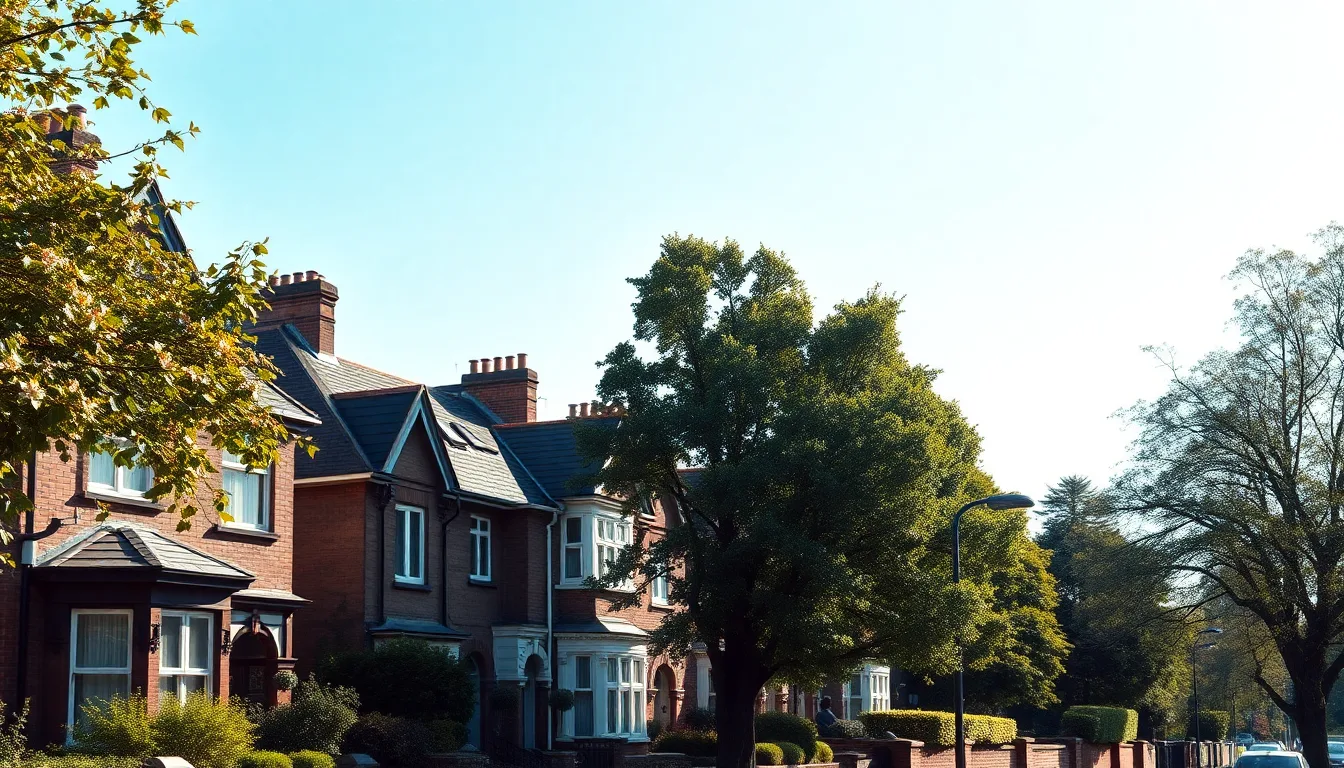
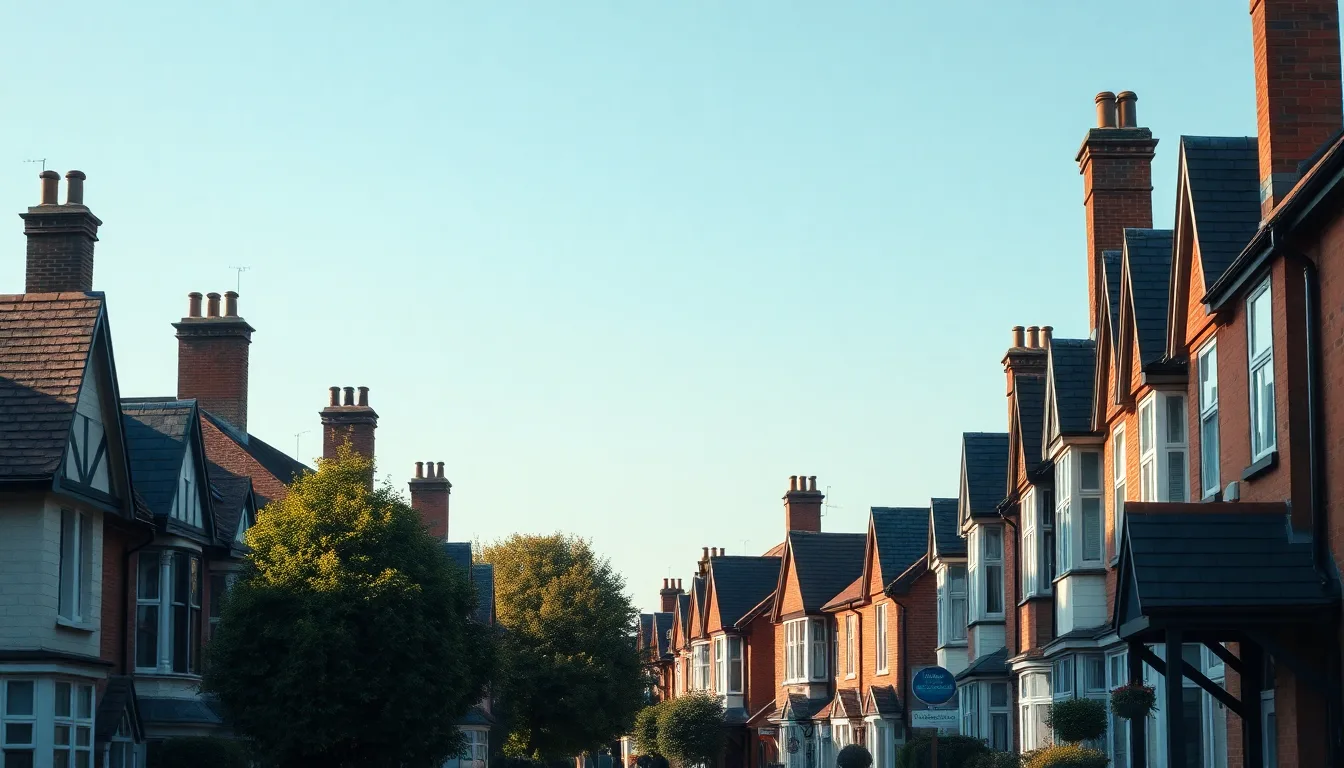
Appearance isn’t only a personal preference if your property sits in a conservation area or has listed status. Conservation-area and listed-building consent rules commonly restrict which covering you can use. These rules often require slate or clay to match the surrounding streetscape, so it’s worth checking before you commit to a material.
Cost: What You’ll Actually Pay
Concrete tiles are the cheapest option, typically running from £45-£70 per square metre installed. Clay tiles usually sit higher, often £70-£120 per square metre depending on style and colour. Natural slate costs the most upfront, commonly £90-£180 or more per square metre depending on grade and origin.
These are UK ranges, and they move a lot with property size, roof pitch and site access. A full re-roof on a typical semi can easily run into the low-to-mid five figures depending on the covering you choose. Get a written quote rather than relying on a per-square-metre rule of thumb.
Maintenance and Repairs Over Time
Roofers repair slate roofs one tile at a time, which keeps ongoing costs low once you’ve made the initial investment. Clay tiles are similarly straightforward to patch, since suppliers can usually source matching replacement tiles. Concrete tiles are the easiest of the three to source for repairs, since manufacturers still produce them widely, though they can fade faster.
Whatever the covering, it’s usually the flashing, ridge and valley details that fail before the tiles do. A roof survey every few years catches these issues early. That’s almost always cheaper than waiting for a leak to show up inside the house.
Which Covering Suits Which Property
Slate or clay often suit period and listed properties better, both for planning reasons and to match the existing streetscape. Newer builds have more flexibility, and concrete tiles are a sensible, cost-effective choice where planning rules don’t dictate otherwise. Either way, insulation upgrades carried out alongside a re-roof need to meet Building Regs Part L. Still, it’s worth raising that early rather than as an afterthought.
If you’re planning a full re-roof or a heritage-sensitive repair, our Slate & Tile Roofing team can talk you through what’s realistic for your specific property. We’ll look at the existing structure, the local planning position and your budget before recommending anything.
Getting It Done Properly
The right covering depends on your budget, your property type and what your local planning rules allow. Don’t choose on price alone — factor in lifespan, since a shorter-life covering just pushes the cost further down the line. A proper survey gives you an honest recommendation based on what your roof structure can actually carry.
We cover re-roofing and repairs across Bromley, Chislehurst and Orpington, working with slate, clay and concrete on properties of every age. Our How Long Does a Roof Last? Tile vs Slate vs Flat Compared guide goes into more detail if lifespan is your deciding factor. Additionally, our piece on Why the Pitch of Your Roof Determines Which Covering You Can Use explains why some of these materials aren’t an option on every roof shape. A free survey gets you a straightforward recommendation on covering, cost and timescale, based on your actual roof rather than a general guide.
Related Guides
- Why the Pitch of Your Roof Determines Which Covering You Can Use
- Cladding Options and Costs for Homes and Commercial Buildings
- Green & Living Roofs: Benefits, Costs and Are They Worth It?
- How Long Does a Roof Last? Tile vs Slate vs Flat Compared