One of the most common questions homeowners ask is simply how long their roof should last. The honest answer depends heavily on the material. Still, there are useful general ranges you can judge your roof against. They show whether it’s due attention soon, or has years of life left in it yet.
When a roof does reach the end of its life, our re-roofing team can help. We’ll talk you through a straightforward like-for-like replacement, or an upgrade to a longer-lasting covering.
Concrete and clay tiles
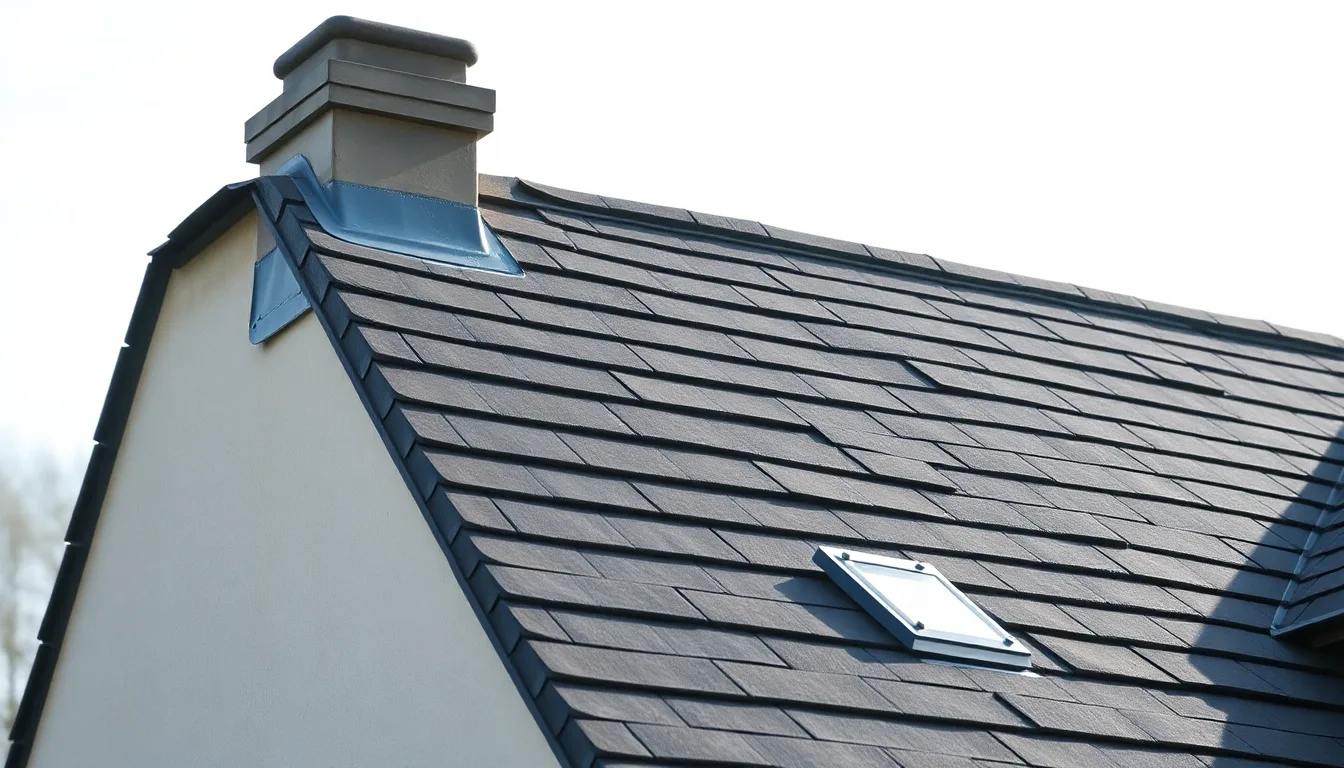
Builders use concrete tiles more than almost any other roofing material in the UK. A well-installed, well-maintained concrete tile roof typically lasts several decades. That’s often 40 to 60 years before the tiles themselves need replacing. Still, the underlay beneath them usually needs attention sooner than the tiles do.
Clay tiles tend to last a similar length of time, or longer. Both benefit from periodic checks for slipped or cracked individual tiles. Our signs you need a new roof guide explains how to spot these signs early. Catching them before they lead to a leak keeps repairs simple.
Natural slate
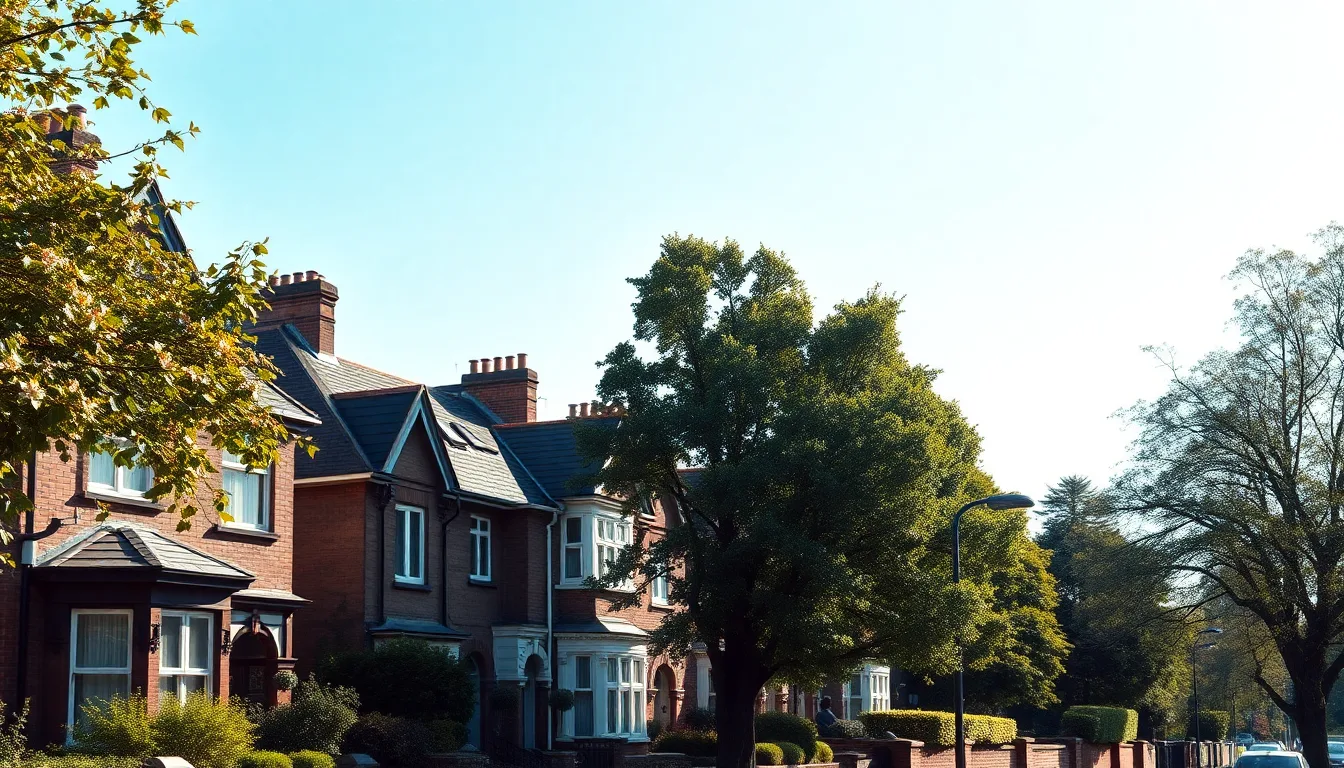
Natural slate is one of the longest-lasting roofing materials available. A properly installed slate roof can last 80 to 100 years or more with reasonable maintenance. This longevity is a big reason why slate remains common on period properties. You’ll see it across Chislehurst and other conservation areas.
Planning rules there often require matching the original material, rather than leaving it as a free choice. On an old slate roof, the fixings and underlay usually wear out before the slate itself does. That’s why re-roofing an old slate roof sometimes means carefully lifting the existing slates. Roofers then reuse them on a new underlay, rather than buying new material from scratch.
Flat roofing
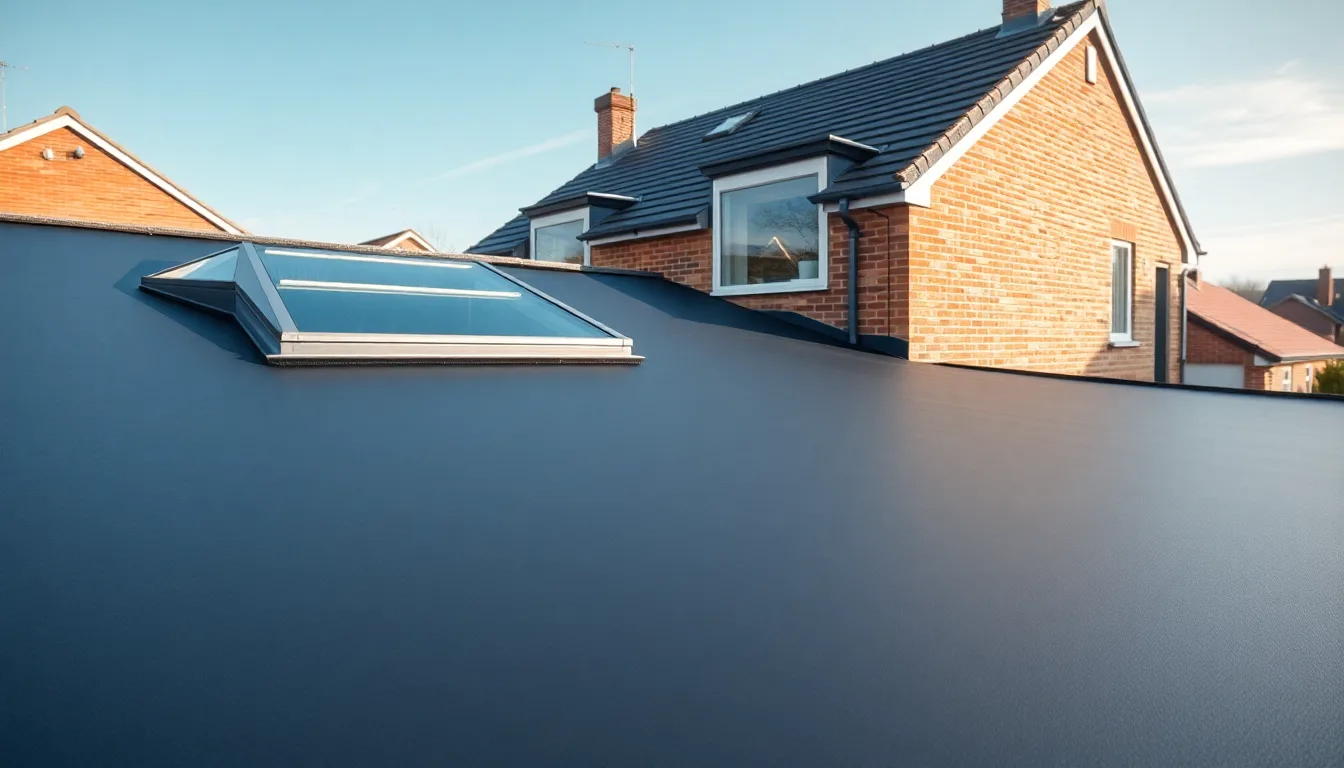
Flat roofs generally have shorter lifespans than pitched tile or slate roofs. How long one lasts varies a lot by the system you choose. Traditional felt typically lasts 10 to 15 years before it needs replacing. EPDM rubber and GRP fibreglass tend to last 20 to 30 years with proper installation.
Single-ply membrane systems often carry manufacturer guarantees in a similar range to EPDM and GRP. Choosing a system for a new flat roof? Our EPDM vs GRP vs felt vs single-ply comparison goes into the differences in more depth.
What actually determines lifespan
Installation quality and ongoing maintenance matter just as much as which material you choose. Take a roof with good ventilation and properly detailed flashings around chimneys and valleys. Add regular checks for minor faults, and it tends to outlast an identical roof that nobody maintains. That’s because catching small problems early rarely shortens a roof’s life.
An ignored leak does far more damage over time. Ventilation matters more than many homeowners realise. Trapped moisture in a poorly ventilated loft can rot timbers and degrade the underlay from underneath. Yet this happens no matter how sound the covering above still looks.
Weather exposure also plays a part
A roof facing the prevailing wind and rain will generally show wear faster than a sheltered one. So will one overshadowed by trees that keeps it damp and shaded for long periods. This is why two similar-aged houses on the same street can need attention at very different times. Still, even with the same covering, exposure alone can make that difference.
Underlay and battens age differently to the covering
It’s worth remembering that a roof isn’t just its visible covering. Beneath the tiles and slates sits a breathable membrane called the underlay. It catches any water that gets past the covering itself. It has its own lifespan.
On older roofs, the underlay often needs replacing first. It usually wears out well before the tiles or slates above it are due for renewal. Timber battens holding the covering in place can also degrade over time. This happens especially if the roof space has had poor ventilation for years.
This is why a re-roof sometimes reuses sound existing slates or tiles on new underlay and battens. There’s no need to buy new covering material, since it wasn’t actually the part that failed.
Working out where your roof stands
Not sure how your roof compares? A free survey is the most reliable way to find out. That’s far better than guessing from its age alone.
We assess roofs across Petts Wood and Sidcup and give an honest view of remaining life. We also give a straightforward answer on whether a repair or full re-roof makes more sense.
Our repair or replace decision guide is a good starting point for that conversation. There’s never any obligation to proceed after a survey. That makes it a low-risk way to get a clear, professional view of your roof’s condition.