Moss on a roof is one of those problems that looks worse than it usually is — right up until it isn’t. A light, even covering is mostly a cosmetic issue. However, heavier growth can genuinely shorten the life of your roof covering. That’s especially true if it’s left unchecked for years without ever being looked at.
Why moss grows on roofs
Moss favours damp, shaded conditions, since spores need consistent moisture to establish. That’s why it tends to build up fastest on north-facing slopes and roofs overhung by trees. It also builds up in areas that stay damp longer after rain has passed.
Older, more porous tiles give moss spores an easier surface to establish on than newer, smoother materials. That’s part of why moss is more common on older housing stock, since the coverings have simply had longer to weather. None of this means your roof is faulty.
It’s simply the conditions moss likes. Most pitched roofs will show some growth eventually, particularly on a shaded elevation.
When it’s just cosmetic
A light dusting of moss is rarely urgent. This is especially true on a roof that otherwise looks sound, with no slipped tiles or visible damage. It doesn’t necessarily mean tiles are failing underneath.
In many cases, it can be left alone, or removed at a convenient time. There’s no real risk to the roof structure in the meantime.
When it becomes a problem
Heavy, thick moss growth is a different matter, since it holds moisture against the tiles for much longer than bare tiles ever would. Over years, this trapped damp can speed up the breakdown of certain tile types.
Older concrete tiles that have already started to become porous are most at risk. Moss can also work its way under tile edges, lifting them slightly. This creates a path for water to get underneath during heavy rain.
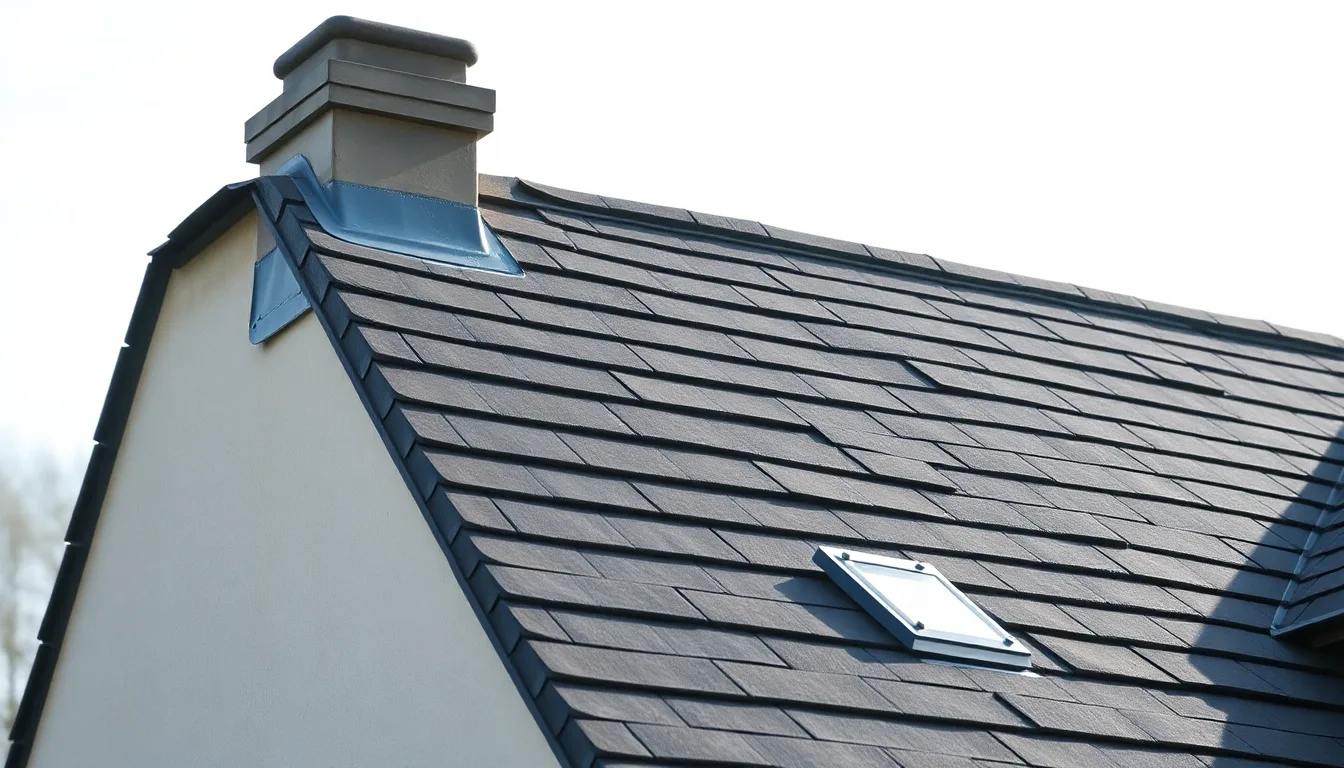
Moss and debris can also build up in valleys or against a chimney, since that blocks water flow and redirects it somewhere it shouldn’t go. It’s one of the less obvious causes of leaks we find during a roof repair survey. Often, the job started out looking like a straightforward moss problem.
Treatment options
For light to moderate growth, a biocide treatment applied by a professional can kill the moss in place. Once it has died back, it can be gently brushed away. That’s better than forcibly scraping it off while it’s still alive and gripping the tile surface.
For heavier growth, careful manual removal is usually needed first, followed by a treatment to slow regrowth. Otherwise, simply scraping off visible moss won’t address the spores left behind. That tends to see it return within a season or two.
The safe way to remove it
Moss removal isn’t a job to do casually from a ladder. Working at height on a roof carries real risk of a slip, especially one that’s damp or mossy underfoot. A professional approach typically involves careful manual removal or a controlled treatment.
This is safer than aggressive pressure-washing. Pressure-washing can strip protective granules from tiles, or dislodge them altogether. That causes more damage than the moss itself ever would.
Once removed, checking for slipped or cracked tiles underneath is a sensible next step. Damage can stay hidden under a thick patch until it’s cleared.
Reducing regrowth
Where practical, trim back overhanging branches that keep a roof shaded and damp. This can slow how quickly moss returns after treatment. It won’t stop regrowth altogether on a naturally shaded or north-facing roof.
But it does buy more time between treatments. It also reduces how aggressively moss re-establishes itself.
Moss on flat roofs and valleys
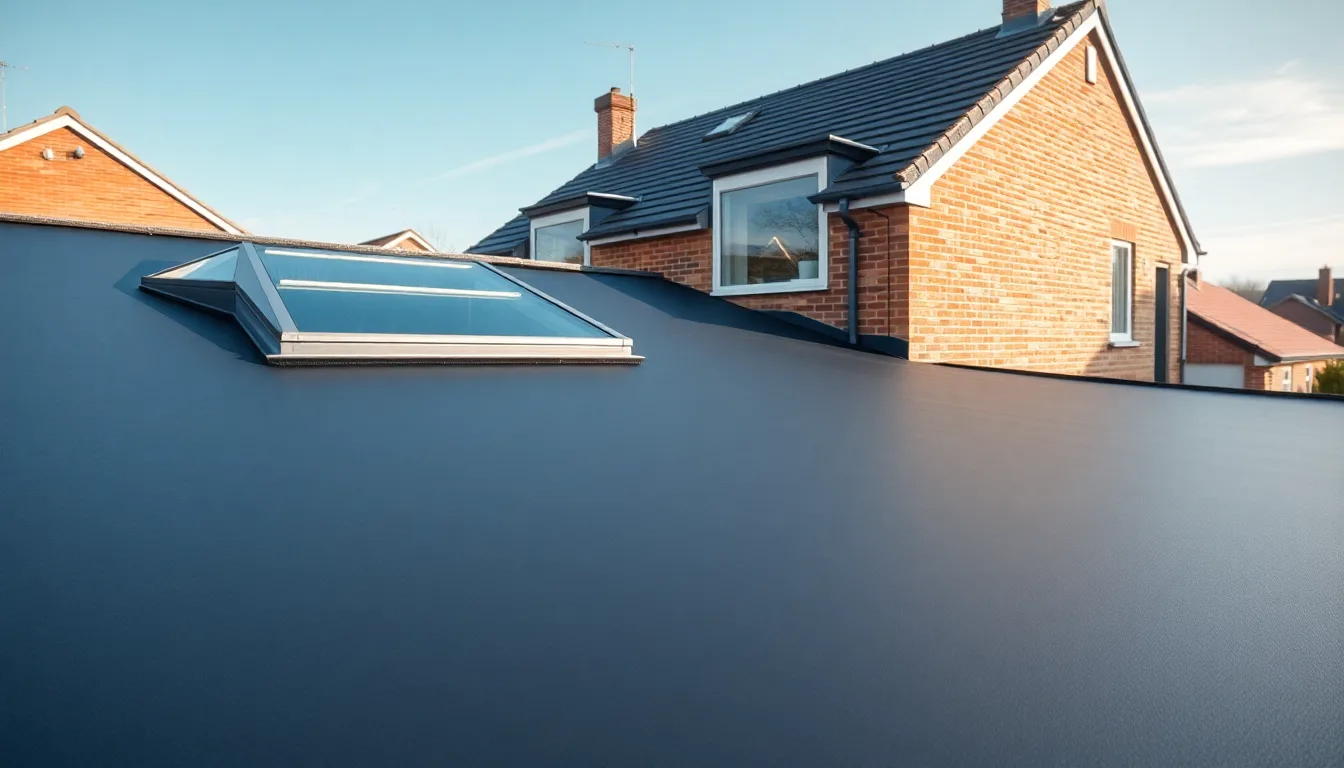
Moss doesn’t only affect pitched, tiled roofs. It can also establish in the corners and low points of a flat roof, or in the valley between two roof slopes, since debris and standing moisture collect most readily there.
On a flat roof, a build-up here can partially block an outlet. That, in turn, causes ponding, which shortens the life of the covering itself. Keeping valleys and outlets clear during a routine check is a simple habit. It stops a minor moss patch turning into a drainage problem elsewhere on the roof.
Getting it done properly
If moss on your roof has been building up for a while, it’s worth having it assessed. Don’t guess whether it’s purely cosmetic or already causing damage underneath. We remove moss safely and check the roof underneath at the same time.
This covers homeowners in Orpington, Bromley and the rural edges around Chelsfield & Well Hill. Our signs you need a new roof guide explains what else to look out for while a roofer is up there. A free survey gets you an honest answer on the moss itself, plus a proper look at the tiles underneath, in one visit.