Storms are one of the most common causes of sudden roof damage. How you respond in the first hour or two can make a real difference. Since it affects how much damage gets inside your home, here’s what to do, and what actually causes most storm damage. We’ll also cover what to expect when you call for emergency help.
What storms typically damage
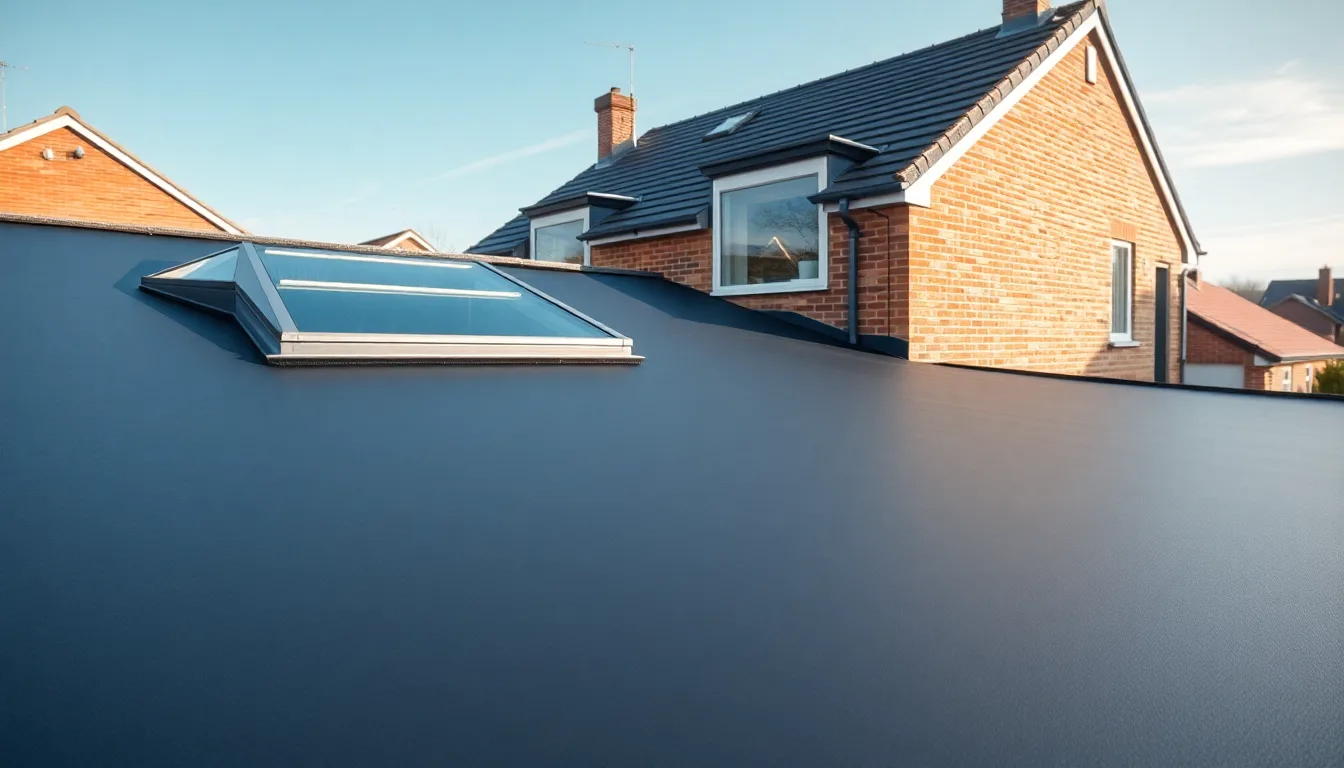
High winds most often lift or crack ridge and hip tiles first. These sit at the most exposed points on the roof. From there, the wind works loose individual tiles further down the slope. Flat roofs and their upstands are also vulnerable.
This is especially true where a covering has already started to lift slightly at the edges. That gives the wind something to catch. Falling branches and flying debris account for a good share of the rest. They sometimes damage guttering and fascias as well as the roof covering itself. That’s why a full inspection after a storm often finds more than the single obvious fault.
Stay safe first
Never go up onto the roof yourself during or immediately after a storm. It’s not worth it, no matter how tempting that feels. Strong wind, wet tiles and poor visibility make this genuinely dangerous. Even a short look from a stepladder is risky.
You might spot damage from the ground, or from inside the house. Either is enough information to call for help. A professional roofer has the training, harnesses and equipment to inspect the roof safely once conditions allow.
Protect the inside of your home
If water is coming through, move furniture, electronics and belongings away from the affected area straight away. A bucket or container under an active drip limits damage to flooring. If a ceiling is visibly bulging with trapped water, that water needs to go somewhere safe. A small, controlled release in a safe spot is generally the better option.
Since trapped water rarely drains away by itself, it may otherwise fail and spread further on its own. Our spotting a roof leak guide covers this in more detail. It’s worth reading if you’re dealing with a leak right now.
What an emergency call-out involves
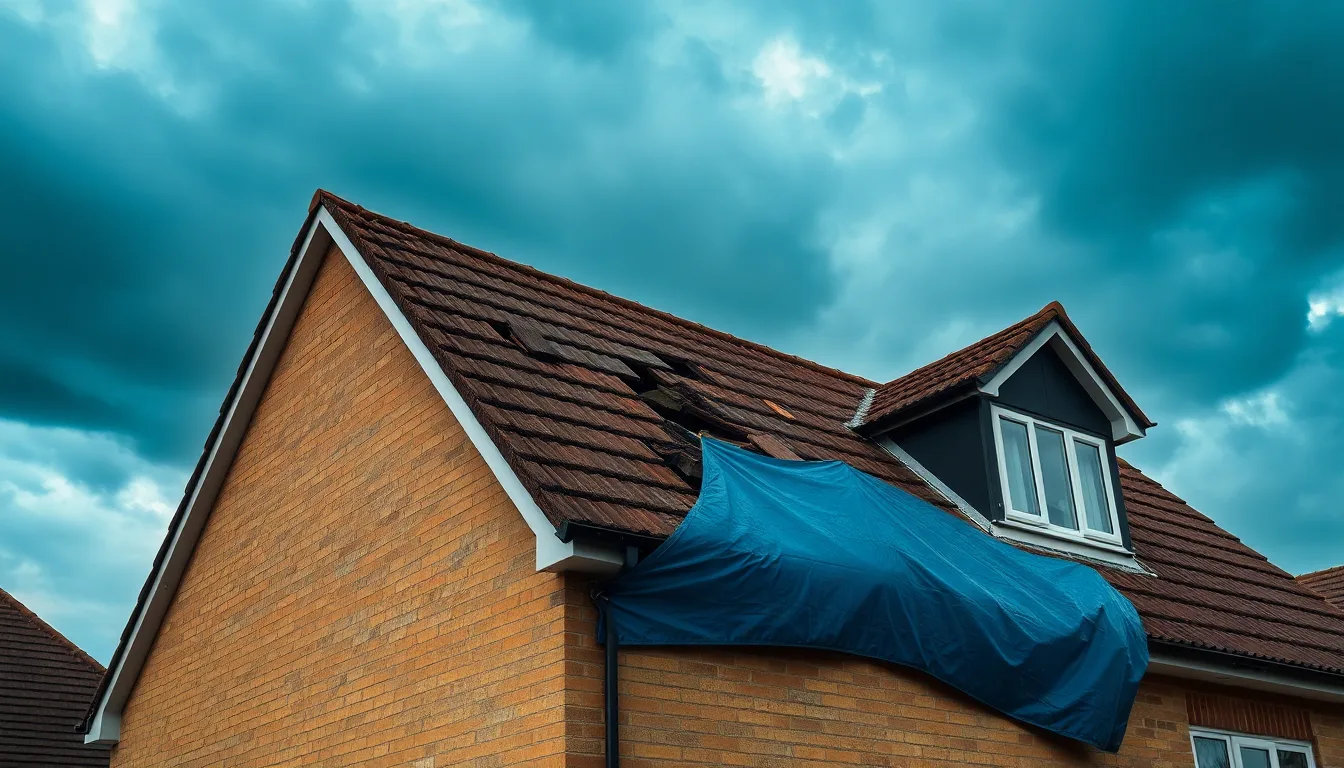
When you contact us during a storm, the priority is making the roof safe as quickly as possible. That often means fitting a temporary tarpaulin or board over the damaged area. It stops further water getting in. This isn’t the permanent fix, but it buys time.
It lets us arrange a proper repair once conditions have settled. By then it’s genuinely safe to work at height on a wet, wind-exposed roof. While we prioritise active leaks and confirmed storm damage over routine bookings, the risk of further damage is highest in the hours right after the roof is compromised. That’s before a permanent repair can be scheduled.
Choosing who to call in an emergency
Storm damage tends to bring out opportunistic traders offering same-day work at inflated prices. As a result, it’s worth checking that whoever attends is genuinely accredited. Confirm this before agreeing to anything beyond an immediate make-safe. An FMB-registered, insured contractor should be willing to explain what the emergency work involves. They’ll also tell you what happens next. They shouldn’t pressure you into signing for a full repair on the spot.
If the damage looks minor
Not every bit of storm damage needs a middle-of-the-night call-out. A single displaced tile with no active leak can usually wait. That’s especially true if it’s spotted the morning after a storm has passed. There’s no water getting in yet, so it isn’t urgent. A standard roof repair booking is fine rather than an emergency visit.
Just keep an eye on it in case further wind or rain works it loose completely. What matters is whether water is actively getting in now. It’s not simply whether the roof looks different to how it did yesterday.
After the storm has passed
Since the roof is now safe, we carry out a full inspection. This establishes the real extent of the damage. It’s sometimes more than what was visible during the emergency itself. It’s also the point to take photos and keep records if you plan to make an insurance claim. Our home insurance and storm damage guide explains what insurers typically look for. It also covers how to support a claim properly.
Covering Orpington, Bromley and the surrounding area
Storm damage doesn’t wait for convenient hours. That’s why our emergency roofing service covers Orpington, Bromley and Sidcup. We offer a fast response to active leaks and storm damage. If your roof is leaking right now, contact us straight away.
The permanent repair can always be planned properly once the immediate risk is under control. We’ll talk you through what to expect at every stage. That runs from the initial make-safe through to the finished repair.
Related Guides
- Do You Need Planning Permission for a Loft Conversion?
- Repair or Replace Your Roof? A Homeowner’s Decision Guide
- Fascias, Soffits & Guttering Explained (And When to Replace Them)
- Flat Roof Repair Cost Guide: What You’ll Pay in South East London & Kent
- How Long Does a Roof Last? Tile vs Slate vs Flat Compared
- How to Choose a Roofer & Avoid Rogue Traders: An FMB Checklist